By Al-Amin Isa
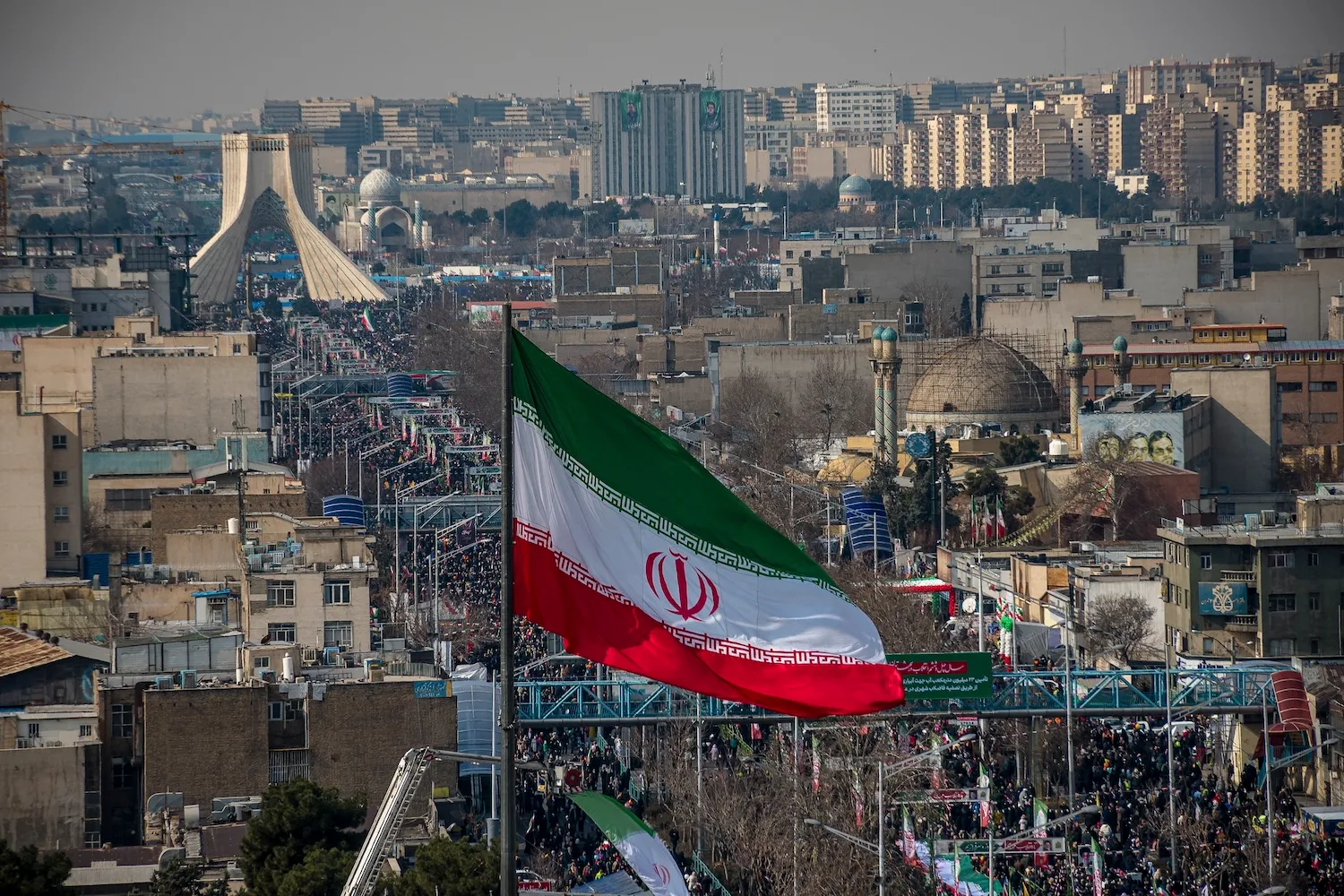
The war around Iran is not only about centrifuges, uranium stockpiles, or missile ranges. Those things matter, but they do not fully explain the intensity of the confrontation. To understand why this conflict keeps returning, you have to look past the daily headlines and into the longer history of the Middle East: the age of partition, foreign control, broken promises, and the one major regional state that was never fully reduced to a colonial design. Iran’s modern grievance is rooted partly in that history, including the 1953 coup against Prime Minister Mohammad Mossadegh after he nationalized Iran’s oil industry.
The old imperial order of the Muslim world was shattered over the nineteenth and twentieth centuries. Ottoman lands in particular were carved into mandates, protectorates, and later states under British and French influence, with the Sykes-Picot framework becoming a symbol of that wider external remapping of the region. From that historical memory comes one of the central claims of this essay: that Iran is treated differently because it remained, unlike many of its neighbors, a coherent civilizational state with demographic weight, geographic depth, and a durable political identity.
That matters because Iran is not seen in Tehran as just another post-colonial state. It sees itself as something older and larger than the twentieth-century regional order built around Western guarantees, oil routes, and military partnerships. That is why the struggle is so hard to contain. What Washington and Tel Aviv often describe as deterrence, Tehran experiences as an attempt to discipline an independent power that never fully accepted the regional hierarchy imposed after empire.
This is what many Western policymakers still fail to grasp: Iran’s defiance is not only ideological. It is historical. The memory of Mossadegh is not a museum exhibit in Iran. It is part of the political bloodstream. Iranians remember that when they tried parliamentary nationalism and sovereign control over their own resources, the response was not partnership but covert intervention. That history does not justify every action taken by the Islamic Republic, but it helps explain why pressure from abroad so often hardens, rather than weakens, the Iranian state.
That is why the current war cannot be understood through the nuclear file alone. The nuclear issue is real. The IAEA said this month that a large share of Iran’s 60%-enriched uranium is still believed to be at Isfahan, while also saying it has no credible evidence of an active, coordinated Iranian nuclear weapons program. But the deeper issue is autonomy. A powerful Iran with missiles, drones, regional networks, and a strategic partnership web extending toward Russia and China is far harder to isolate, intimidate, or remake.
And that is exactly why this war has become so dangerous. It is no longer a shadow conflict. Reuters reports that the war has entered its third week, with extensive Israeli strikes inside Iran, U.S. involvement, severe damage across Iranian territory, and mounting regional spillover. Iran, for its part, has answered asymmetrically and regionally: missile and drone attacks, threats to shipping, and pressure on the Gulf security architecture that underpins the global energy system. The Strait of Hormuz, through which roughly one-fifth of global oil supply passes, has become a central front in the crisis.
This is the part many casual observers miss. When Iran strikes Gulf infrastructure or threatens sea lanes, it is not simply lashing out. It is attacking the strategic machinery of Western influence in the region: bases, alliances, oil corridors, and client security systems. The Gulf monarchies are not neutral spectators in that architecture. They are pillars of it. That is why the conflict keeps expanding beyond the language of “Israel versus Iran” or “America versus Iran.” It is a struggle over who sets the terms of order in the Middle East.
And yet, for all the firepower involved, the war is exposing the limits of military force. The United States is now reportedly trying to build support for securing shipping routes, but key allies have shown reluctance to widen their military role. That hesitation tells its own story. Even America’s partners understand that bombing Iran is easier than producing a stable outcome afterward. A country of this scale, identity, and strategic depth does not simply collapse on command.
That is the hard truth at the center of this conflict. Iran can be hit, weakened, isolated, and punished. But it cannot be wished away. Forty years of sanctions, covert action, assassinations, sabotage, proxy warfare, and periodic diplomacy have not produced surrender. They have produced a harsher, more militarized region.
But the central strategic point remains. There will be no lasting settlement in the Middle East built on the fantasy that Iran can be permanently excluded, broken, or regime-changed into obedience. The present war is proving that again in real time. It is driving up oil prices, destabilizing shipping, widening the humanitarian toll, and showing how quickly regional war becomes global economic shock.
The real choice before policymakers is no longer between “containing” Iran and ignoring it. That choice has already failed. The real choice is between a regional order that eventually makes room for Iran as a permanent power, or an endless cycle of strikes, retaliation, sanctions, and escalation.
That is what this war is really revealing. Not just the danger of Iran. The failure of a regional system that still behaves as if history can be frozen, partition can be preserved, and one of the Middle East’s oldest states can be treated as a temporary problem.
It cannot.